

Transport accounts for nearly a quarter of global greenhouse gas emissions, and in Africa, the sector is growing rapidly as urbanization accelerates and expansion of trade. Africa’s transport systems is reliant on aging, inefficient fossil-fuel vehicles which is very carbon intensive.
In addition, Africa’s transport systems are deeply inequitable. Millions of urban residents lack access to safe, affordable public transport, limiting economic opportunity and mobility, particularly for women and low-income communities.
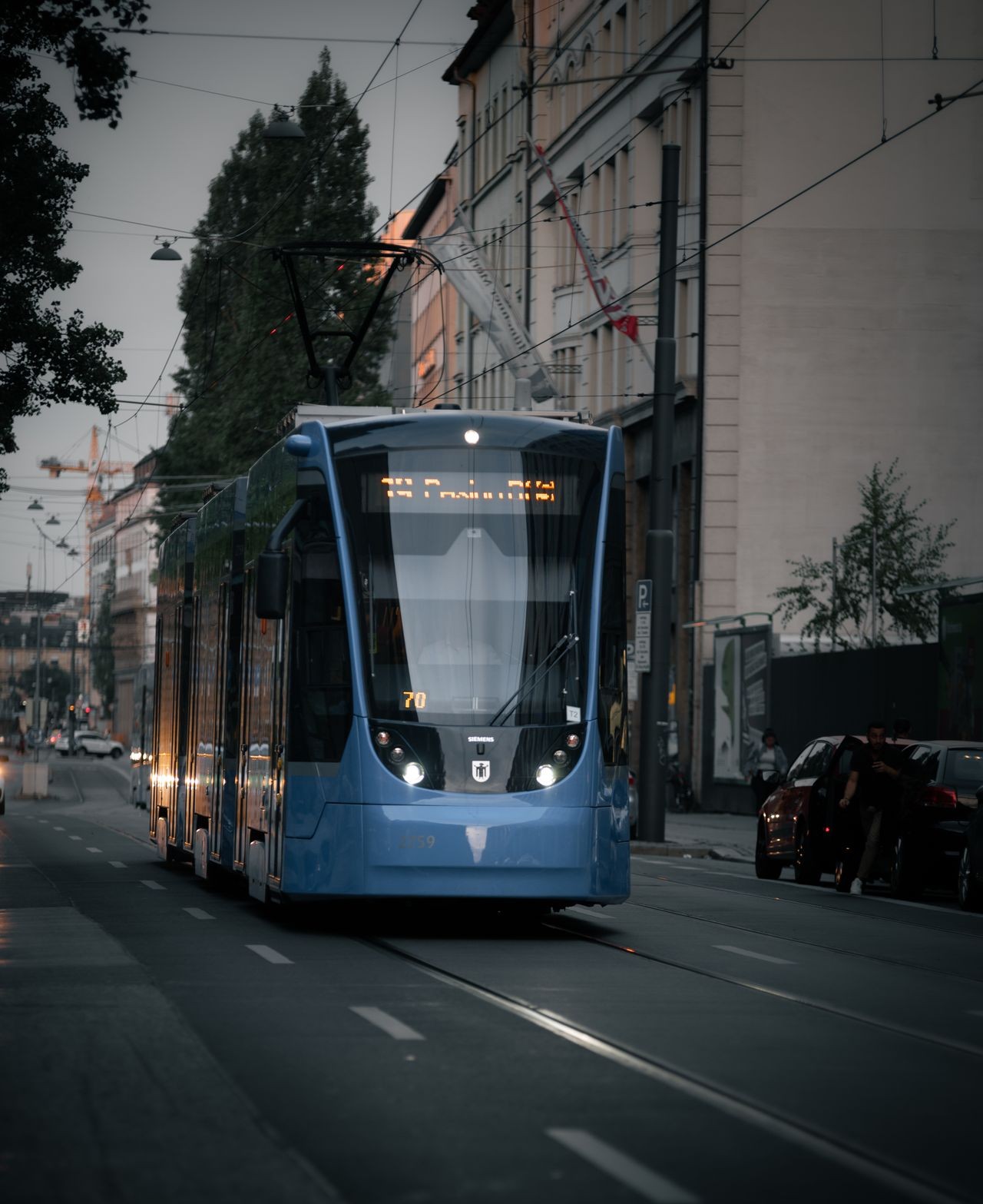
We work to build transport systems that are clean, affordable, and inclusive by:
- Supporting the development of sustainable urban mobility solutions — electric buses, clean motorcycle taxis, non-motorized transport infrastructure — that reduce emissions while improving access for all.
- Advocating for e-mobility policies, vehicle import standards, and fiscal incentives that accelerate the transition away from polluting internal combustion engine vehicles.
- Promoting investment in public transport infrastructure — rail, bus rapid transit, and integrated mobility hubs — as both a decarbonization strategy and a tool for urban equity.
- Supporting regional cooperation on sustainable freight and logistics, reducing the emissions intensity of cross-border trade in East and Southern Africa.
- Facilitating partnerships between African governments, development finance institutions, and the private sector to unlock concessional and blended finance for clean transport projects.