

The energy sector sits at the heart of Africa’s decarbonization challenge and opportunity. Africa receives just 2% of global renewable energy investment despite having some of the world’s best solar, wind, and hydropower resources. The African Union has set an ambitious target of 300 gigawatts of renewable capacity by 2030 — but current deployment rates need to be accelerated to achieve the set targets.
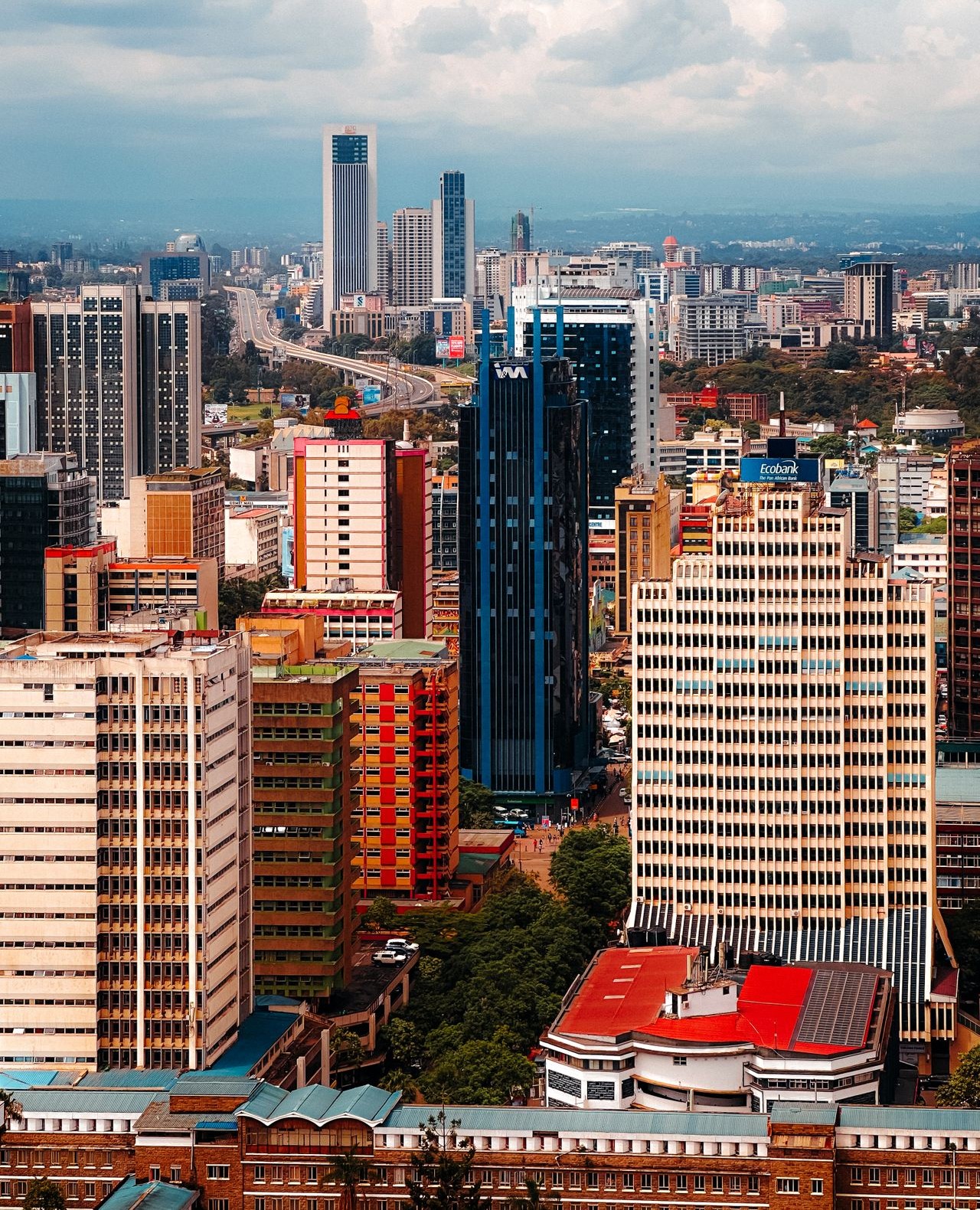
We work to make low-carbon, resilient buildings and urban systems the default across the region by:
- Supporting governments to develop and implement green building codes, green building standards, and national decarbonization roadmaps for the construction sector.
- Promoting utilization of low carbon building materials, energy efficiency, water efficiency and sustainable waste management within the built environment.
- Promoting affordable passive design principles, adoption of energy efficiency appliances i.e clean cooking and cooling solutions that reduce both emissions and household energy costs.
- Facilitating knowledge exchange between built environment practitioners, architects, urban planners, and policymakers across the region to scale proven low-carbon construction approaches.
- Advocating for the integration of building sector decarbonization into national climate plans (NDCs) and urban development strategies.
- Convening the private sector — developers, material suppliers, financiers — around green building investment opportunities that serve both commercial returns and climate goals.