

Agriculture is Sub-Saharan Africa’s economic backbone employing approx. 60% of the workforce and contributing 17% of GDP. It is also the continent’s largest source of greenhouse gas emissions, through deforestation, land conversion, livestock, and unsustainable farming practices. Yet the sector receives the least climate finance of any sector in African Nationally Determined Contributions (NDCs) — a critical misalignment that leaves millions of smallholder farmers exposed and the continent’s carbon sinks unprotected.
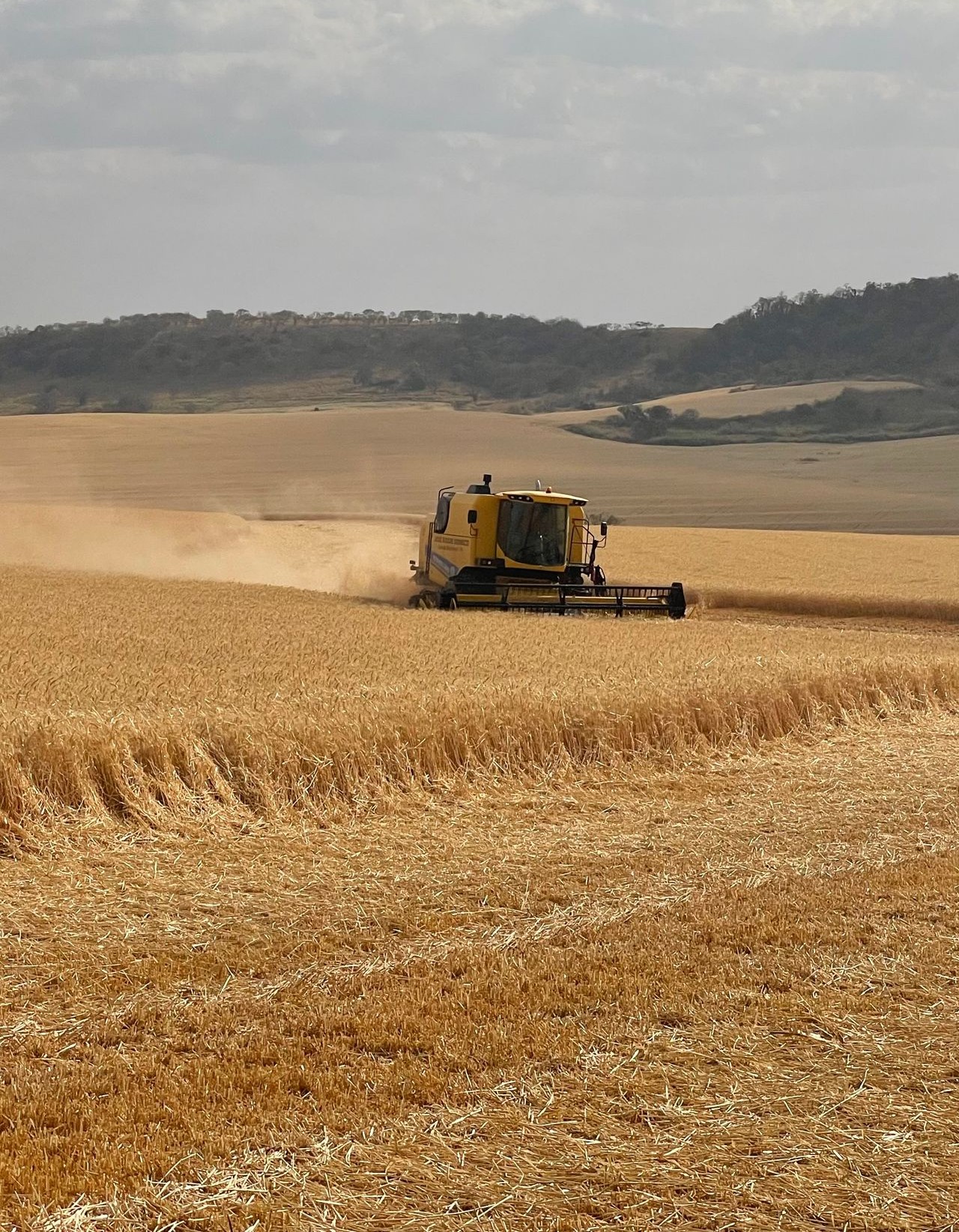
We work to transform African agriculture into a driver of both food security and decarbonization by:
- Promoting climate-smart agricultural practices — precision farming, agroforestry, conservation agriculture, organic soil management — that improve yields while reducing emissions and restoring land.
- Supporting the protection and sustainable management of Africa's forests, wetlands, and natural carbon sinks, which are critical buffers against both climate change and biodiversity loss.
- Integrating the water-energy-food nexus approaches with deployment of renewable energy for irrigation, cold storage to improve crop yields, reduce post-harvest losses and minimize the carbon footprint of agricultural value chains.
- Facilitating access to markets for sustainably produced agricultural products, linking smallholder farmers to supply chains that value and reward climate-responsible production.
- Advocating for the realignment of climate finance towards the AFOLU sector, ensuring that the sector's enormous potential for both mitigation and adaptation is properly resourced.
- Building capacity among farmers, cooperatives, and agricultural institutions to understand, measure, and monetize carbon sequestration, creating new income streams for rural communities.